How Does Red Light Therapy Actually Work? The Science Explained
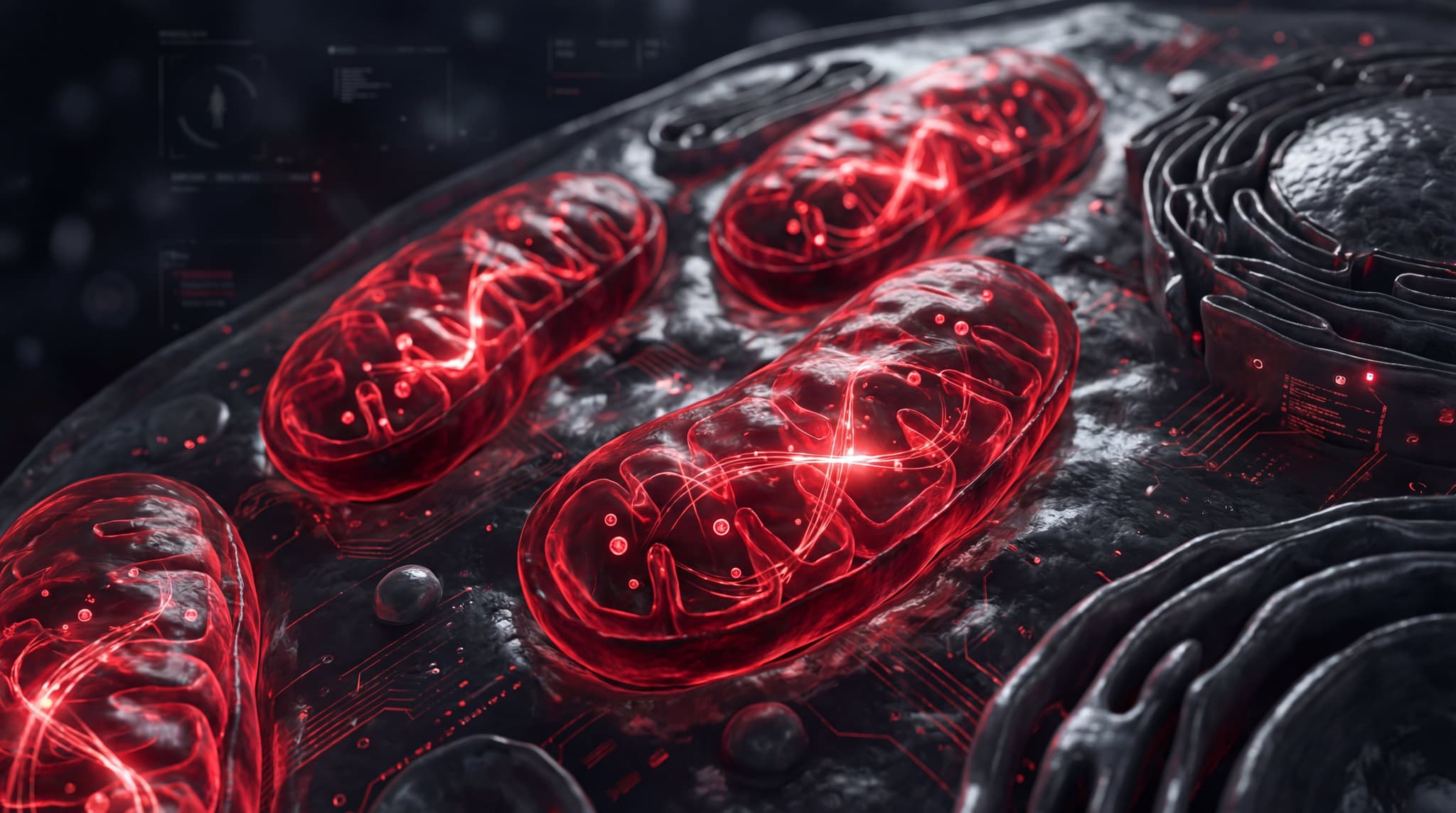
There's a lot of marketing fluff around red light therapy. Let me cut through it and explain what's actually happening at the cellular level when you expose your body to red and near-infrared light.
The Basic Mechanism
Your cells contain mitochondria, often called the powerhouses of the cell. Mitochondria produce ATP (adenosine triphosphate), the energy currency that powers virtually every cellular process.
Within mitochondria is an enzyme called cytochrome c oxidase. This enzyme plays a critical role in the electron transport chain, the process that generates ATP. Here's where it gets interesting.
Light Absorption
Cytochrome c oxidase absorbs light in the red (630-680nm) and near-infrared (800-880nm) wavelengths. When it absorbs this light, several things happen:
- Nitric oxide release: NO that was bound to the enzyme is released, allowing it to function more efficiently
- Increased ATP production: The electron transport chain runs faster, producing more cellular energy
- Reactive oxygen species signaling: A brief, controlled increase in ROS triggers beneficial cellular responses
- Gene expression changes: Genes related to cell survival, proliferation, and tissue repair are upregulated
Why These Specific Wavelengths?
Not all light penetrates tissue equally. Red light (630-700nm) penetrates about 8-10mm, reaching the dermis and superficial muscles. Near-infrared light (700-1100nm) penetrates deeper, up to 40-50mm, reaching muscles, joints, and even bone.
These wavelengths also happen to be where cytochrome c oxidase absorbs most efficiently. It's not arbitrary. The therapeutic wavelengths are determined by both tissue penetration and cellular absorption characteristics.
The Downstream Effects
That initial boost in cellular energy triggers a cascade of effects:
- Reduced inflammation: Pro-inflammatory cytokines decrease
- Enhanced collagen production: Fibroblasts become more active
- Improved circulation: Nitric oxide release dilates blood vessels
- Faster wound healing: Cells have more energy for repair processes
- Reduced oxidative stress: Antioxidant defenses are upregulated
Different Wavelengths
- 630-660nm (Red): Best for skin, superficial tissues, collagen production
- 810-850nm (Near-Infrared): Deeper penetration for muscles, joints, organs
- 940-1060nm (Far Near-Infrared): Deepest penetration, less studied but showing promise
Photobiomodulation is a legitimate field of study with thousands of peer-reviewed papers. It's taught in medical schools and used in clinical settings worldwide. The mechanisms are well-understood at the molecular level.