Red Light Therapy for Pain, Arthritis, and Recovery
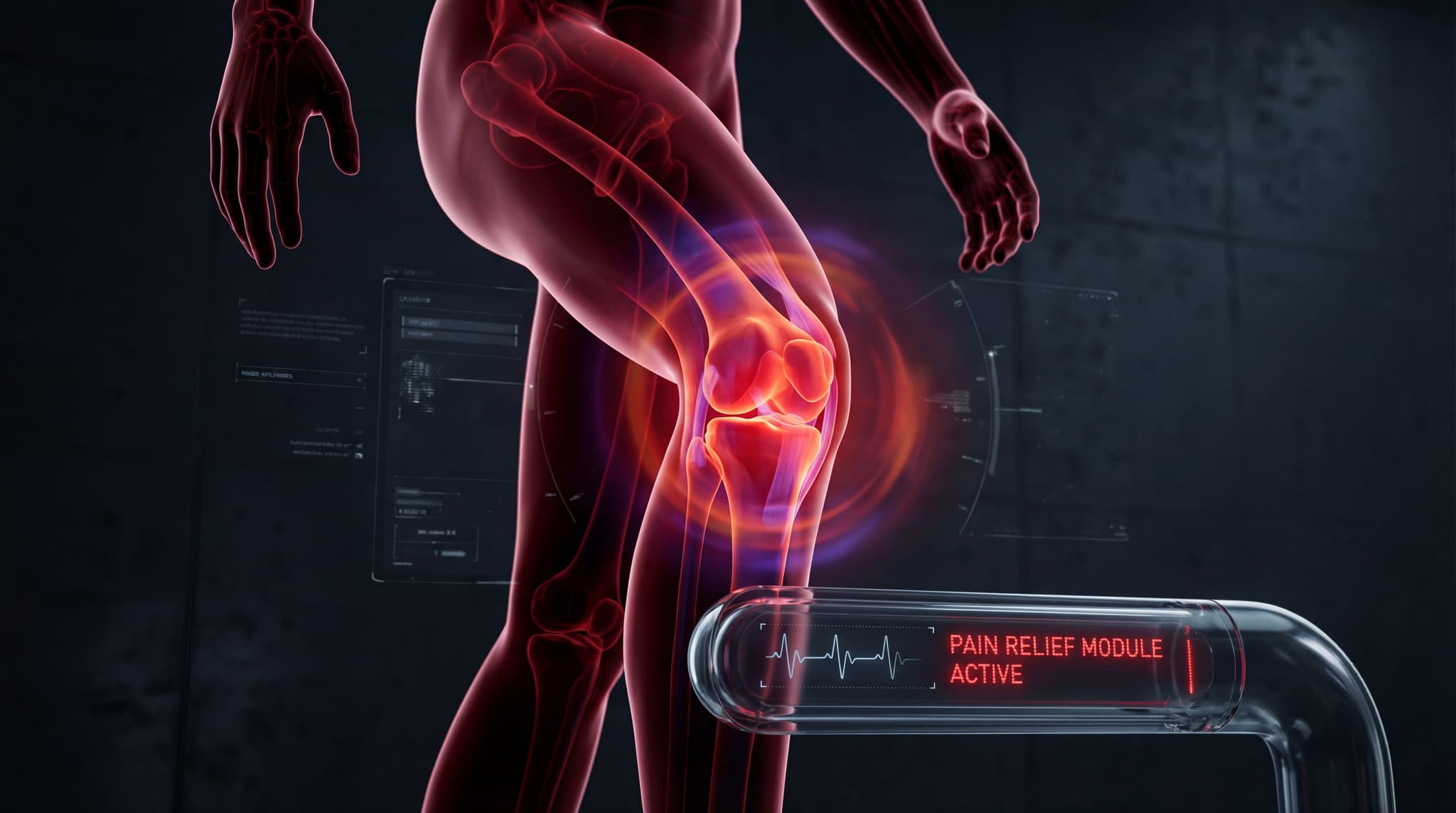
Pain management is one of the oldest applications of red light therapy. Before it became a skincare trend, it was used in clinical settings for wound healing, pain relief, and rehabilitation. The research here is solid.
How Red Light Reduces Pain
- Reduced inflammation: Lower levels of inflammatory cytokines mean less pain signaling
- Improved circulation: Better blood flow removes inflammatory byproducts and delivers healing nutrients
- Enhanced tissue repair: Faster healing means shorter duration of pain
- Nerve function support: Some evidence suggests improved nerve regeneration
Arthritis and Joint Pain
Red light therapy has been studied extensively for both osteoarthritis and rheumatoid arthritis. Results show reduced joint pain and stiffness, improved range of motion, and in some cases, a decreased need for pain medications.
Athletic Recovery
Professional sports teams have been using red light therapy for years. It helps with muscle recovery by reducing delayed onset muscle soreness (DOMS), accelerating injury healing, and keeping training-induced inflammation in check.
Back Pain
Chronic back pain is notoriously difficult to treat. Red light therapy offers a non-invasive option that many people find helpful. It won't fix structural problems, but it can help manage the pain and inflammation that makes daily life difficult.
Neuropathy
Peripheral neuropathy, often associated with diabetes, causes pain, numbness, and tingling. Research on red light therapy for neuropathy is promising, showing reduced pain levels and improved sensation in early studies.
How to Use Red Light for Pain
- Target the area: Position the light directly over the painful area
- Use appropriate wavelengths: Near-infrared (830-850nm) penetrates deeper
- Duration: 10-20 minutes per area
- Frequency: Daily during acute pain, 3-4 times weekly for maintenance
- Distance: Closer for superficial issues, standard distance for deeper tissues
Some people notice pain relief after just a few sessions. For others, it takes weeks of consistent use. The good news is that red light therapy is safe for long-term use, making it a sustainable option for pain management.