Can Red Light Therapy Help Rosacea? An Honest Look
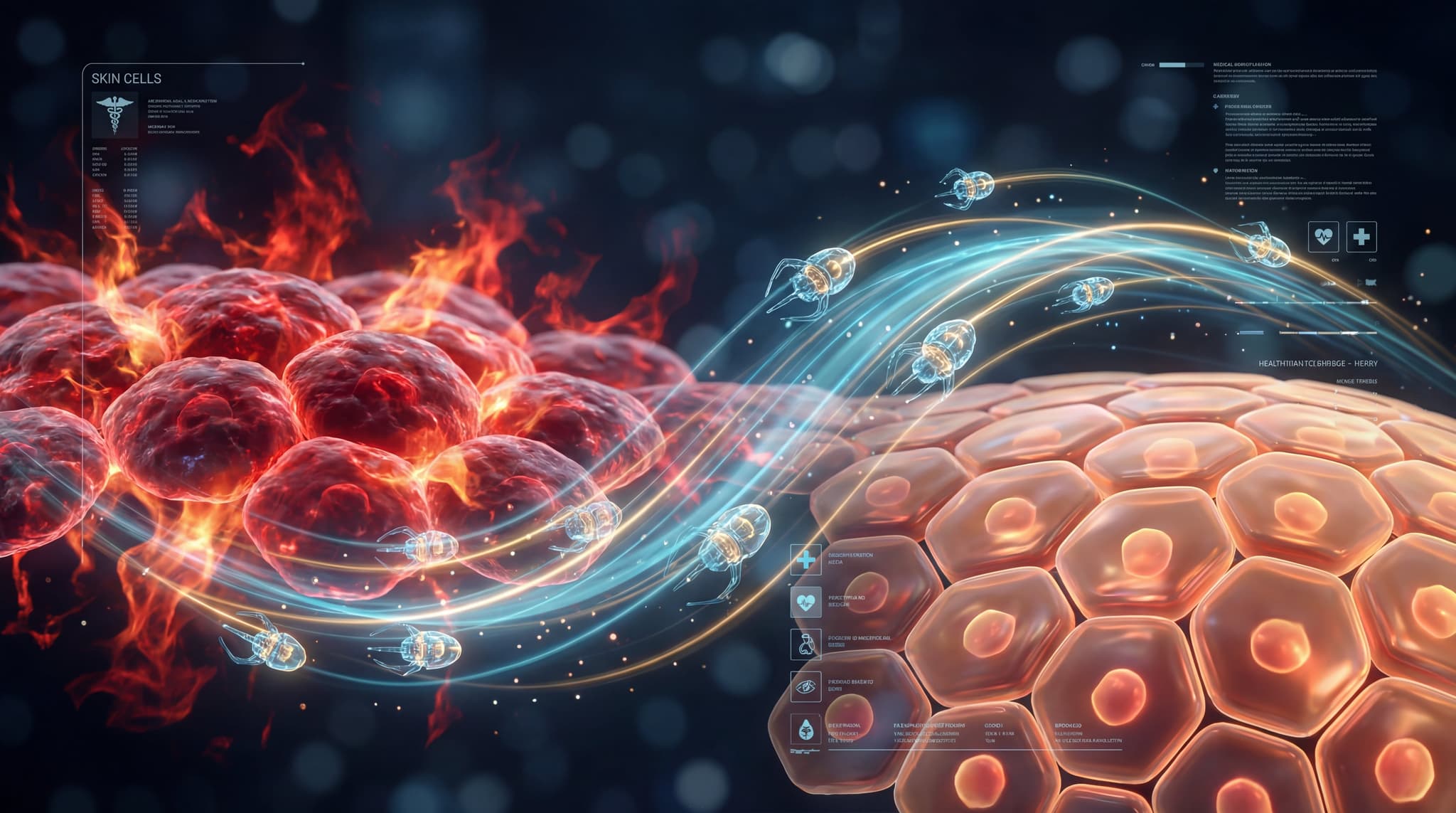
Rosacea affects millions of people and has no cure. If you've dealt with the redness, flushing, and sensitivity, you know how frustrating it can be to find treatments that actually help without making things worse.
Why Red Light Might Help
- Anti-inflammatory effects: Reduces inflammatory markers in the skin
- Improved circulation: Supports healthy blood vessel function
- Skin barrier support: Enhanced cellular energy maintains skin integrity
What the Studies Show
Research specifically on red light therapy for rosacea is still emerging, but existing studies are promising. Participants have reported reduced baseline redness, fewer flushing episodes, and less sensitivity.
Important Considerations
Rosacea skin is reactive. Before diving into red light therapy:
- Start with low intensity: Use shorter sessions initially
- Watch for heat: Heat can trigger flushing; ensure your device stays cool
- Avoid triggers: Don't combine with irritating treatments
- Monitor response: Adjust if you notice increased redness
Red Light vs. IPL
IPL targets blood vessels directly with high-intensity pulses. Red light therapy works at the cellular level with lower, sustained energy. Red light is gentler and ideal for maintenance.
How to Get Started
- Wavelengths: 630-660nm (Red) and 830-850nm (NIR)
- Start: 5-minute sessions at comfortable distance
- Progress: Gradually increase to 10-15 minutes
- Frequency: 3-4 times per week
- Timeline: Give it 8-12 weeks
Patience and consistency are key. This isn't a quick fix, but for many rosacea sufferers, it becomes a valuable part of their routine.