Red Light Therapy Wavelengths: Which Ones Actually Matter?
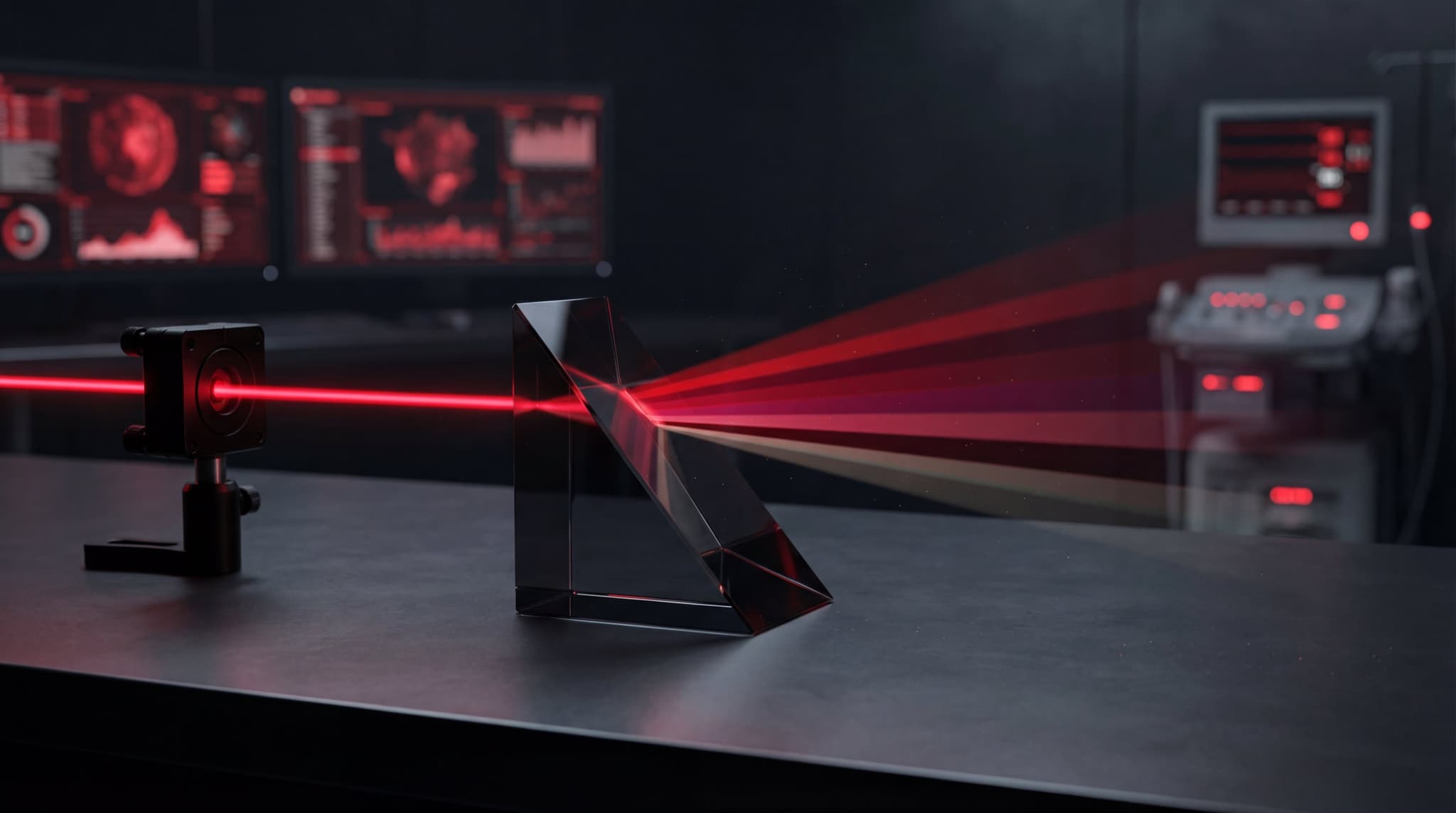
When shopping for red light therapy devices, you'll see all sorts of wavelength specifications. 630nm, 660nm, 850nm, 940nm. What do these numbers mean, and which ones should you actually care about?
Understanding Nanometers
Wavelength is measured in nanometers (nm). Shorter wavelengths (blue) have higher energy but less penetration. Longer wavelengths (near-infrared) penetrate deeper but with less energy per photon. Red light therapy lives in the "therapeutic window" where light penetrates tissue effectively.
The Key Wavelengths
630nm (Red)
- Penetrates 8-10mm
- Skin health and collagen production
- Wound healing
- Reducing superficial inflammation
660nm (Red)
- Often considered the 'sweet spot'
- Slightly deeper penetration than 630nm
- Hair follicle stimulation
- General skin health
810nm & 850nm (Near-Infrared)
Invisible to the human eye. These penetrate 30-40mm or more.
- Muscle recovery
- Joint health and arthritis
- Deep tissue healing
- Brain health (through skull penetration)
Single vs. Multiple Wavelengths
Some devices use a single wavelength, others combine several. For general wellness and whole-body treatment, multiple wavelengths make sense as you get benefits at multiple tissue depths simultaneously.
What to Look For
- Focus on 630-680nm and 810-880nm ranges
- Check manufacturer specifications for exact wavelengths
- Consider your goals: Surface issues need less penetration than deep tissue
- Quality matters more than having 10 different wavelengths